

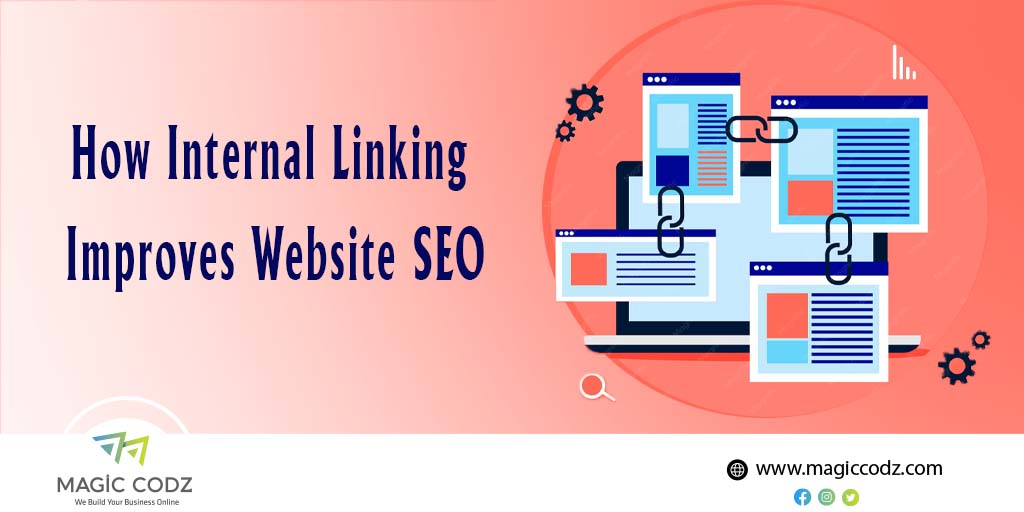
Internal linking is one of the most effective SEO techniques for improving website structure, user experience, and search engine visibility. A strong internal link for SEO strategy helps search engines understand your content and makes it easier for visitors to navigate your website.
Businesses that use internal links strategically can improve page authority, increase engagement, and support long-term SEO growth.
What Is Internal Linking?
Internal linking is the process of linking one page of a website to another page on the same website.
- It helps users find relevant information quickly.
- It allows search engines to discover and index pages more efficiently.
- It improves website navigation and content organization.
Well-structured internal link for SEO strategy can support better search rankings and user engagement.
Benefits of Internal Linking
Understanding the internal link for SEO can help businesses create a stronger SEO foundation and improve website performance.
- Improves website navigation.
- Helps search engines crawl pages more efficiently.
- Distributes link equity across important pages.
- Increases page views and user engagement.
- Reduces bounce rates.
- Supports faster indexing of new content.
- Strengthens website structure.
- Improves content discoverability.
- Enhances topical authority.
- Encourages visitors to explore related content.
These internal link for SEO makes it an essential part of any successful SEO strategy.
Internal Linking and Its SEO Impact
A well-planned internal link for SEO strategy helps search engines understand page relationships and identify important content on your website.
| Internal Linking Activity | SEO Benefit |
|---|---|
| Linking related blog posts | Improves content discoverability |
| Linking to service pages | Increases visibility of important pages |
| Using keyword-rich anchor text | Improves content relevance |
| Updating older content with new links | Supports faster indexing |
| Creating topic clusters | Builds topical authority |
| Connecting related pages | Enhances user experience |
Best Practices for Internal Linking
- Use descriptive and relevant anchor text.
- Link to related and valuable content.
- Prioritize important pages and services.
- Update older content with new internal links.
- Avoid excessive linking on a single page.
- Regularly check for broken links.
- Maintain a clear website structure.
How Many Internal Links Should a Page Have for SEO?
For SEO, there is no set quantity of internal links. When managing your website links, follow these practices:
- Only provide links when they are useful and pertinent.
- Prioritize user experience and simple navigation.
- Naturally connect relevant material.
- Give quality precedence over quantity.
- Examine and update internal links regularly.
A strong internal linking for SEO strategy improves website structure, user experience, and search engine visibility. Businesses can improve their rankings and experience long-term organic growth by comprehending the advantages of internal connecting.
the best quality
of our PRODUCTS
Make an Enquiry with your complete requirement for a best Quote !