

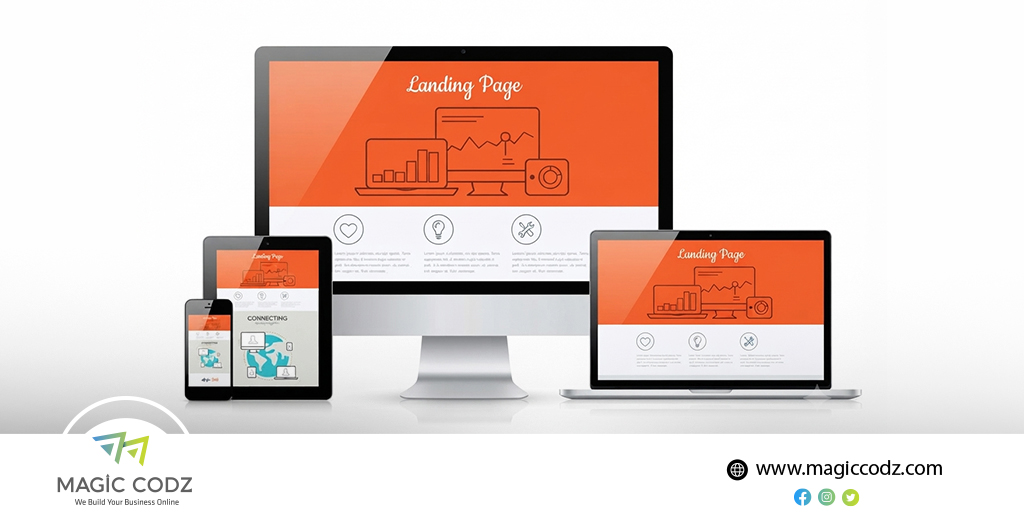
A landing page is designed to guide visitors toward a specific action, such as submitting a form, requesting a quote, downloading a resource, or making an inquiry. A well-planned landing page combines clear messaging, useful content, strong design, and an effort to improve user experience to support lead generation.
Key Elements of an Effective Landing Page
An effective landing page should be focused on one primary goal. Every element should help visitors understand the offer and take the desired action.
- Clear headline: Communicate the main benefit immediately.
- Relevant content: Explain the offer in a simple and useful way.
- Strong CTA: Use a clear call-to-action that encourages visitors to respond.
- Simple forms: Ask only for the necessary information.
- Trust signals: Include testimonials, reviews, certifications, or other relevant proof.
- Mobile-friendly design: Ensure the page works smoothly across different screen sizes.
The Role of Landing Page SEO
Landing page SEO helps make a landing page more visible to people searching for relevant products, services, or solutions. It involves optimizing important elements such as the page title, headings, content, URLs, images, and internal links.
Effective landing page SEO should focus on search intent rather than simply adding keywords. The content should answer what users are looking for while providing a clear path toward conversion.
Landing Page Optimization Strategies
Landing page optimization focuses on improving the page experience and encouraging more visitors to complete the desired action. Small changes to headlines, CTAs, forms, layouts, and content can influence user engagement.
- Keep the main message above the fold.
- Use short paragraphs and scannable content.
- Highlight the benefits instead of only listing features.
- Make the CTA easy to locate.
- Reduce unnecessary navigation and distractions.
- Optimize page loading speed.
- Test different headlines, CTA text, and page layouts.
SEO and Conversion: Finding the Right Balance
A landing page should be created for both search visibility and user experience. While landing page SEO can help attract relevant visitors, the content and design should encourage those visitors to take action.
| Element | SEO Focus | Conversion Focus |
|---|---|---|
| Headline | Relevant search terms | Clear value proposition |
| Content | Useful, relevant information | Persuasive and easy to understand |
| CTA | Supporting page relevance | Encourages action |
| Images | Descriptive alt text | Supports the message |
| Page Speed | Better user experience | Reduces drop-offs |
| Mobile Design | Mobile usability | Easier interaction |
Improve Performance Through Testing
Regular landing page optimisation can help identify what works best for your audience. Monitor metrics such as conversion rate, bounce rate, engagement, and form submissions to understand how visitors interact with the page.
A/B testing can also be used to compare different versions of important elements, including:
- Headlines
- CTA buttons
- Images
- Form length
- Page layouts
- Supporting content
A successful landing page requires more than an attractive design. It should provide relevant information, offer a smooth user experience, and guide visitors towards a specific action. Combining landing page SEO with effective landing page optimisation can help businesses attract relevant traffic and create better opportunities for lead generation.
the best quality
of our PRODUCTS
Make an Enquiry with your complete requirement for a best Quote !