

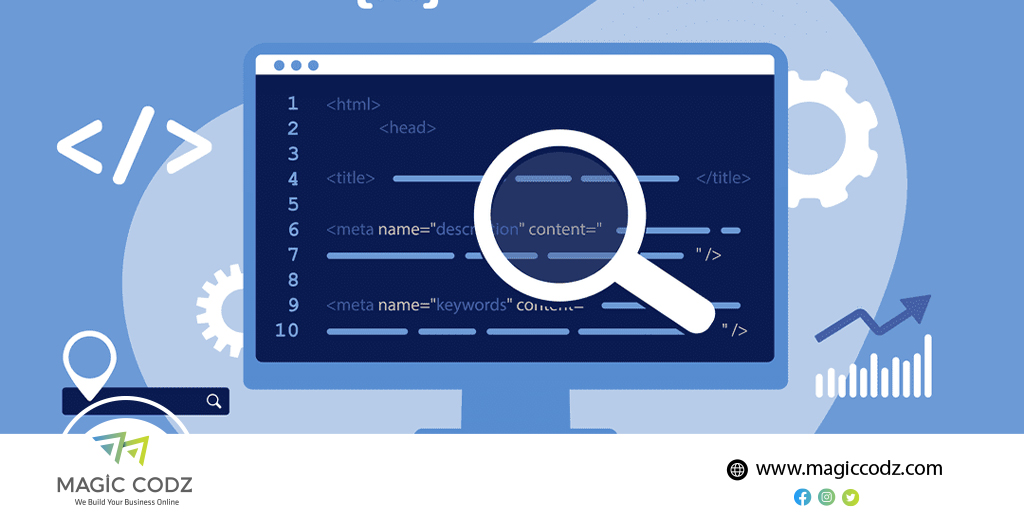
A meta description is a short summary of a webpage that may appear below the page title in search results. Learning how to write meta descriptions can help businesses create clear, relevant, and engaging search listings.
Although meta descriptions are not a direct Google ranking factor, a well-written description can make a search result more appealing and encourage relevant users to visit the webpage. Creating effective meta descriptions requires a balance between SEO best practices and useful information for readers.
How to Write Meta Descriptions
When learning how to write meta descriptions, focus on clarity, relevance, and search intent.
- Keep the description concise and informative.
- Incorporate the primary keyword in a natural manner.
- Explain what the page offers.
- Match the user's search intent.
- Highlight a useful benefit.
- Add a relevant call to action when appropriate.
- Make descriptions unique for important pages.
| Element | Best Practice |
|---|---|
| Relevance | Match the webpage content |
| Keywords | Use naturally |
| Length | Keep the description concise |
| Benefit | Highlight the value of the page |
| CTA | Encourage relevant action |
| Accuracy | Avoid misleading information |
Strong effective meta descriptions should quickly tell users what they can expect from the webpage while giving them a reason to explore further.
Why Unique Meta Descriptions Matter
Each important webpage should have its own relevant meta description. Unique descriptions help users understand the purpose of individual pages and make search results more useful.
- Write a description specifically for each page.
- Avoid using the same description across multiple pages.
- Focus on the main purpose of the webpage.
- Highlight the most useful information for users.
Common Mistakes to Avoid
Even when you understand how to write meta descriptions, certain mistakes can reduce their effectiveness.
- Keyword stuffing
- Using duplicate descriptions
- Writing vague or generic content
- Making misleading claims
- Ignoring search intent
- Creating descriptions that do not match the page
Avoiding these issues helps create effective meta descriptions that are more useful to both searchers and search engines.
Tips for Better SEO Results
To create effective meta descriptions, write for people first and search engines second.
- Use simple and natural language.
- Place important information early.
- Focus on the main benefit of the page.
- Make the description specific and relevant.
- Review descriptions when the webpage content changes.
the best quality
of our PRODUCTS
Make an Enquiry with your complete requirement for a best Quote !